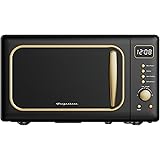
Microwave (also microwaves or MW) is the technology that uses electromagnetic waves to heat food and other objects inside a microwave oven. It turns electric energy into electromagnetic radiation that stimulates water molecules in the food, causing them to vibrate and eventually heat up. The process also works on other substances, such as fats and sugars, but to a lesser extent. Microwave ovens are the most common consumer application of this technology.
The physics of microwave radiation is similar to that of radio waves, but has shorter wavelengths. This allows for much faster heating and cooking, since it doesn’t have to travel through the object to reach its center. In fact, a typical microwave oven can cook an entire meal six times faster than a conventional oven.
A common use of microwave technology is to provide wireless network connectivity. In these applications, microwave technology transmits telephony, fax, and data communication across wide geographic areas without the need for copper or fiber-optical cables.
Unlike other forms of radiation, microwaves don’t cause cancer. However, they can cause burns when they directly contact the skin. Two areas of the body that are particularly vulnerable to microwave radiation are the eyes and testes. These areas have few blood vessels that can carry away excess heat, and the water molecules in these tissues absorb microwaves more readily than other tissues. The FDA has created and enforced standards to prevent injuries from this dielectric heating, and to minimize the damage that can occur when the wrong type of microwave radiation is used.

BLACK+DECKER Digital Microwave Oven with Turntable Push-Button Door, Child Safety Lock, Stainless Steel, 0.9 Cu Ft
$89.99 (as of January 14, 2026 19:13 GMT +00:00 - More infoProduct prices and availability are accurate as of the date/time indicated and are subject to change. Any price and availability information displayed on [relevant Amazon Site(s), as applicable] at the time of purchase will apply to the purchase of this product.)
COMMERCIAL CHEF 0.7 Cubic Foot Microwave with 10 Power Levels, Small Microwave with Push Button, 700W Countertop up to 99 Minute Timer and Digital Display, Stainless Steel
$70.76 (as of January 14, 2026 19:13 GMT +00:00 - More infoProduct prices and availability are accurate as of the date/time indicated and are subject to change. Any price and availability information displayed on [relevant Amazon Site(s), as applicable] at the time of purchase will apply to the purchase of this product.)
Breville BMO850BSS Smooth Wave Countertop Microwave Oven, Brushed Stainless Steel
$399.95 (as of January 14, 2026 19:13 GMT +00:00 - More infoProduct prices and availability are accurate as of the date/time indicated and are subject to change. Any price and availability information displayed on [relevant Amazon Site(s), as applicable] at the time of purchase will apply to the purchase of this product.)
GE Countertop Microwave Oven, Compact 0.9 Cubic Ft., 900-watt Capacity, 7 Auto Cooking Settings, Child-Lock Technology, Kitchen Essentials for the Countertop, Dorm Room or Apartment, Stainless Steel
$135.00 (as of January 14, 2026 19:13 GMT +00:00 - More infoProduct prices and availability are accurate as of the date/time indicated and are subject to change. Any price and availability information displayed on [relevant Amazon Site(s), as applicable] at the time of purchase will apply to the purchase of this product.)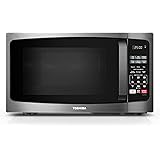
TOSHIBA ML-EM09PA(BS) Small Microwave Oven with 6 Auto Menus, Mute Function & Child Lock, LED Lighting, Perfect for Apartment, 0.9 Cu Ft, 10.6 Inch Removable Turntable, 900W, Black Stainless Steel
$103.92 (as of January 14, 2026 19:13 GMT +00:00 - More infoProduct prices and availability are accurate as of the date/time indicated and are subject to change. Any price and availability information displayed on [relevant Amazon Site(s), as applicable] at the time of purchase will apply to the purchase of this product.)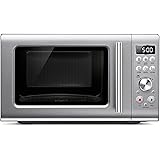
Breville BMO650SIL Compact Wave Soft Close Countertop Microwave Oven, Silver
$249.95 (as of January 14, 2026 19:13 GMT +00:00 - More infoProduct prices and availability are accurate as of the date/time indicated and are subject to change. Any price and availability information displayed on [relevant Amazon Site(s), as applicable] at the time of purchase will apply to the purchase of this product.)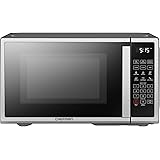
Chefman Countertop Microwave Oven 0.9 Cu. Ft. Digital Stainless Steel Microwave 900 Watt with 6 Presets, Eco Mode, Mute Option, Memory Function, Child Safety Lock, Kitchen, Home, Dorm Essentials
$89.99 (as of January 14, 2026 19:13 GMT +00:00 - More infoProduct prices and availability are accurate as of the date/time indicated and are subject to change. Any price and availability information displayed on [relevant Amazon Site(s), as applicable] at the time of purchase will apply to the purchase of this product.)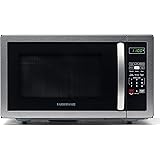
Farberware 1.1 Cu. Ft. Countertop Microwave Oven – 1000 Watts Power, Auto Cook Settings, Defrost, Easy Clean and Child Safety Lock - Stainless
$129.99 (as of January 14, 2026 19:13 GMT +00:00 - More infoProduct prices and availability are accurate as of the date/time indicated and are subject to change. Any price and availability information displayed on [relevant Amazon Site(s), as applicable] at the time of purchase will apply to the purchase of this product.)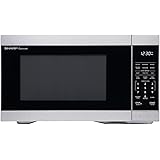
SHARP Countertop Microwave Oven with Removable 12.4" Carousel Turntable, 1000 Watt, 1.1 Cubic Feet, Stainless Steel
$179.97 (as of January 14, 2026 19:13 GMT +00:00 - More infoProduct prices and availability are accurate as of the date/time indicated and are subject to change. Any price and availability information displayed on [relevant Amazon Site(s), as applicable] at the time of purchase will apply to the purchase of this product.)