A microwave is a high-powered form of electromagnetic radiation that’s short in wavelength and frequency, compared to other radio waves. It also has a much wider range of uses, including cooking food and sterilizing tools and equipment.
Unlike lower-frequency radio waves that bounce around the globe and travel through layers of the atmosphere, microwaves don’t scatter much or change direction at all. They have a very short wavelength and a relatively wide frequency range, and they’re easily absorbed by water and other molecules.
Microwave ovens heat foods more evenly than traditional ovens by using tiny electromagnetic rays to heat the water in food molecules, which causes them to vibrate rapidly and produce heat. This heat cooks the food from the inside out, which is why you only notice the food getting hot and not the air around it.
The technology behind the microwave was developed in radar research before and during World War II. American electrical engineer Percy Spencer is generally credited with inventing the modern microwave oven in 1945, based on radar technology from his employer Raytheon.
Microwaves come in different forms for home use, including countertop models that can sit on your kitchen counter and over-the-range units that mount under your cooktop and free up valuable space. You can also get a combination model that offers both microwave and convection heating to help you bake and broil at the same time.
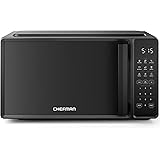
Chefman Countertop Microwave Oven 0.7 Cu. Ft., 700 Watts with 10 Power Levels, 6 Cooking Presets with One-Touch Express Cook, Eco Mode, Child Safety Lock, & Mute Button - Black
$68.96 (as of January 14, 2026 19:13 GMT +00:00 - More infoProduct prices and availability are accurate as of the date/time indicated and are subject to change. Any price and availability information displayed on [relevant Amazon Site(s), as applicable] at the time of purchase will apply to the purchase of this product.)
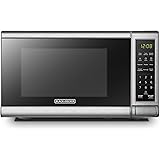
BLACK+DECKER Digital Microwave Oven with Turntable Push-Button Door, Child Safety Lock, Stainless Steel, 0.9 Cu Ft
$89.99 (as of January 14, 2026 19:13 GMT +00:00 - More infoProduct prices and availability are accurate as of the date/time indicated and are subject to change. Any price and availability information displayed on [relevant Amazon Site(s), as applicable] at the time of purchase will apply to the purchase of this product.)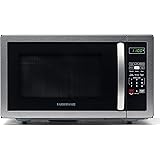
Farberware 1.1 Cu. Ft. Countertop Microwave Oven – 1000 Watts Power, Auto Cook Settings, Defrost, Easy Clean and Child Safety Lock - Stainless
$129.99 (as of January 14, 2026 19:13 GMT +00:00 - More infoProduct prices and availability are accurate as of the date/time indicated and are subject to change. Any price and availability information displayed on [relevant Amazon Site(s), as applicable] at the time of purchase will apply to the purchase of this product.)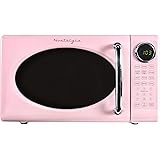
Nostalgia Retro Microwave Oven - 0.7 Cu Ft, 700-Watt Countertop Size with Glass Turntable, Child Safety Lock, 8 Auto-Cook Programs, Digital Clock - Pink
$89.99 (as of January 14, 2026 19:13 GMT +00:00 - More infoProduct prices and availability are accurate as of the date/time indicated and are subject to change. Any price and availability information displayed on [relevant Amazon Site(s), as applicable] at the time of purchase will apply to the purchase of this product.)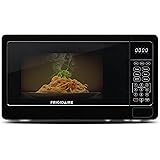
FRIGIDAIRE EMW733BLACKAMZ 0.7 Cu. Ft. Microwave, Black
$69.00 (as of January 14, 2026 19:13 GMT +00:00 - More infoProduct prices and availability are accurate as of the date/time indicated and are subject to change. Any price and availability information displayed on [relevant Amazon Site(s), as applicable] at the time of purchase will apply to the purchase of this product.)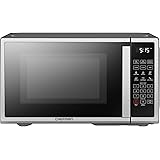
Chefman Countertop Microwave Oven 1.1 Cu. Ft. Digital Stainless Steel Microwave 1000 Watts with 6 Auto Menus, 10 Power Levels, Eco Mode, Memory, Mute Function, Child Safety Lock, Easy Clean
$119.99 (as of January 14, 2026 19:13 GMT +00:00 - More infoProduct prices and availability are accurate as of the date/time indicated and are subject to change. Any price and availability information displayed on [relevant Amazon Site(s), as applicable] at the time of purchase will apply to the purchase of this product.)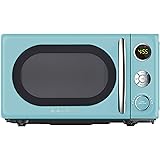
Galanz GLCMKA07BER-07 Retro Microwave Oven, LED Lighting, Pull Handle Design, Child Lock, Bebop Blue, 0.7 cu ft
$85.00 (as of January 14, 2026 19:13 GMT +00:00 - More infoProduct prices and availability are accurate as of the date/time indicated and are subject to change. Any price and availability information displayed on [relevant Amazon Site(s), as applicable] at the time of purchase will apply to the purchase of this product.)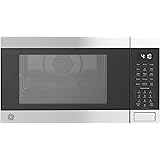
GE GCST10A1WSS 1.0 Cu Ft Convection Microwave Oven, 1050W Countertop Air Fry Microwave with Broil & Crisper Pan, Compact Stainless Steel Design
$199.99 (as of January 14, 2026 19:13 GMT +00:00 - More infoProduct prices and availability are accurate as of the date/time indicated and are subject to change. Any price and availability information displayed on [relevant Amazon Site(s), as applicable] at the time of purchase will apply to the purchase of this product.)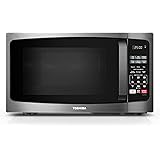
TOSHIBA ML-EM09PA(BS) Small Microwave Oven with 6 Auto Menus, Mute Function & Child Lock, LED Lighting, Perfect for Apartment, 0.9 Cu Ft, 10.6 Inch Removable Turntable, 900W, Black Stainless Steel
$103.92 (as of January 14, 2026 19:13 GMT +00:00 - More infoProduct prices and availability are accurate as of the date/time indicated and are subject to change. Any price and availability information displayed on [relevant Amazon Site(s), as applicable] at the time of purchase will apply to the purchase of this product.)