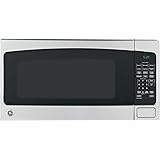
The microwave is a handy household appliance that heats food and liquids quickly and conveniently. It can save energy, and it cooks food better than conventional ovens do by preserving the appearance, flavor, and nutritional composition of foods [1].
The basic concept behind the microwave is pretty simple. Microwaves are electromagnetic waves with wavelengths from about a millimeter to one meter and frequencies between 300 megahertz (MHz) and 3 gigahertz (GHz).
As they travel through the air or through food, the electromagnetic waves bounce around inside the cooking cavity, creating vibrations in the molecules of whatever they encounter. The friction between these molecules is what creates the heat.
These waves lose their energy the farther they penetrate into your food, which is why the inner part of a joint of meat will be cooked by conduction and the outer layer by radiation. That’s also why you shouldn’t put metal objects in your microwave: it can induce an electric current that runs between bits of metal, which can eventually cause them to arc together in a plasma of ionized gas and start a fire.
The control panel lies beside the door of a modern microwave, and it allows you to set various cooking modes like defrosting or quick heating. Most microwaves use a magnetron to generate the microwaves that cook your food. You can usually locate the magnetron by looking for a plastic panel inside the cooking cavity that covers it. The magnetron emits microwave radiation, and the waves travel through a wave guide or turntable before they reach your food.
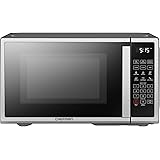
Chefman Countertop Microwave Oven 1.1 Cu. Ft. Digital Stainless Steel Microwave 1000 Watts with 6 Auto Menus, 10 Power Levels, Eco Mode, Memory, Mute Function, Child Safety Lock, Easy Clean
$119.99 (as of January 14, 2026 19:13 GMT +00:00 - More infoProduct prices and availability are accurate as of the date/time indicated and are subject to change. Any price and availability information displayed on [relevant Amazon Site(s), as applicable] at the time of purchase will apply to the purchase of this product.)
BLACK+DECKER Digital Microwave Oven with Turntable Push-Button Door, Child Safety Lock, Stainless Steel, 0.9 Cu Ft
$89.99 (as of January 14, 2026 19:13 GMT +00:00 - More infoProduct prices and availability are accurate as of the date/time indicated and are subject to change. Any price and availability information displayed on [relevant Amazon Site(s), as applicable] at the time of purchase will apply to the purchase of this product.)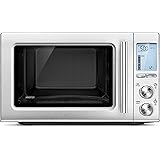
Breville BMO850BSS Smooth Wave Countertop Microwave Oven, Brushed Stainless Steel
$399.95 (as of January 14, 2026 19:13 GMT +00:00 - More infoProduct prices and availability are accurate as of the date/time indicated and are subject to change. Any price and availability information displayed on [relevant Amazon Site(s), as applicable] at the time of purchase will apply to the purchase of this product.)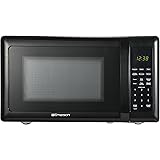
Emerson MW7302B Compact Countertop Microwave Oven with Touch Control, LED Display, 700W, 10 Power Levels, 6 Auto Menus, Glass Turntable and Child Safe Lock, 0.7 Cu., Ft. Black
$69.49 (as of January 14, 2026 19:13 GMT +00:00 - More infoProduct prices and availability are accurate as of the date/time indicated and are subject to change. Any price and availability information displayed on [relevant Amazon Site(s), as applicable] at the time of purchase will apply to the purchase of this product.)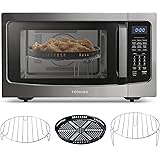
Toshiba Air Fryer Combo 4-in-1 Countertop Microwave Oven, Smart Sensor, Convection, Mute Function, Position Memory 13.6" Turntable, 1.5 Cu Ft, 1000W, Black, ML-EC42P(BS)
$229.99 (as of January 14, 2026 19:13 GMT +00:00 - More infoProduct prices and availability are accurate as of the date/time indicated and are subject to change. Any price and availability information displayed on [relevant Amazon Site(s), as applicable] at the time of purchase will apply to the purchase of this product.)
BLACK+DECKER Countertop Microwave Oven 0.9 Cu Ft, 6 Auto Menus, Child Lock, Memory Function, 10 Power Levels, Easy One-Touch Start, Digital Panel, 900W
$199.00 (as of January 14, 2026 19:13 GMT +00:00 - More infoProduct prices and availability are accurate as of the date/time indicated and are subject to change. Any price and availability information displayed on [relevant Amazon Site(s), as applicable] at the time of purchase will apply to the purchase of this product.)
Chefman Countertop Microwave Oven 0.9 Cu. Ft. Digital Stainless Steel Microwave 900 Watt with 6 Presets, Eco Mode, Mute Option, Memory Function, Child Safety Lock, Kitchen, Home, Dorm Essentials
$89.99 (as of January 14, 2026 19:13 GMT +00:00 - More infoProduct prices and availability are accurate as of the date/time indicated and are subject to change. Any price and availability information displayed on [relevant Amazon Site(s), as applicable] at the time of purchase will apply to the purchase of this product.)
COMFEE' EM720CPL-PM Countertop Microwave Oven with Sound On/Off, ECO Mode and Easy One-Touch Buttons, 0.7 Cu Ft/700W, Pearl White
$69.99 (as of January 14, 2026 19:13 GMT +00:00 - More infoProduct prices and availability are accurate as of the date/time indicated and are subject to change. Any price and availability information displayed on [relevant Amazon Site(s), as applicable] at the time of purchase will apply to the purchase of this product.)
GE Countertop Microwave Oven, 1,150-watt Capacity, 1.6 Cubic Ft., 8 Auto Setting Cooking Settings, Child-Lock Technology, Kitchen Essentials for the Countertop, Dorm Room or Apartment, Stainless Steel
$199.99 (as of January 14, 2026 19:13 GMT +00:00 - More infoProduct prices and availability are accurate as of the date/time indicated and are subject to change. Any price and availability information displayed on [relevant Amazon Site(s), as applicable] at the time of purchase will apply to the purchase of this product.)