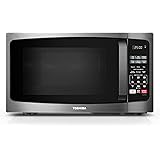
Microwave ovens are a modern convenience that save time and energy in the kitchen. But they can sometimes leave foods with a strange texture and flavor that is hard to explain. Some people even claim that microwaves can cause food poisoning. According to Woman & Home, this is most likely caused by uneven heating, which leads to hot and cold spots in your meal. This can also make some foods dry and gummy, which makes them difficult to digest.
Microwaving is done by creating electromagnetic waves in a microwave cavity by the interaction of an electric field and magnetic fields. As the microwaves move through the cavity, they interact with water molecules in the food and create rotational motion. The rotational motion causes the food to heat up and eventually decompose.
As the microwaves rotate through the food, they heat up the molecules that are closer to the surface. This causes the outer layer to heat up first, while the inner layers stay cooler. This is similar to conventional cooking, but the process happens much faster.
The heat energy from the microwaves can affect proteins in food. It can cause the proteins to change shape, which may result in changes in their structure and function. For example, it can change the way the protein binds to other substances in food. It can also affect the way the protein reacts with enzymes. Microwave heating can increase the hydrophobicity of proteins. This occurs because polar proteins become more hydrophobic when heated, which exposes more non-polar amino acid groups to the environment.
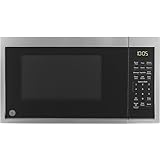
GE Countertop Microwave Oven, Compact 0.9 Cubic Ft., 900-watt Capacity, 7 Auto Cooking Settings, Child-Lock Technology, Kitchen Essentials for the Countertop, Dorm Room or Apartment, Stainless Steel
$135.00 (as of January 14, 2026 19:13 GMT +00:00 - More infoProduct prices and availability are accurate as of the date/time indicated and are subject to change. Any price and availability information displayed on [relevant Amazon Site(s), as applicable] at the time of purchase will apply to the purchase of this product.)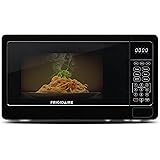
FRIGIDAIRE EMW733BLACKAMZ 0.7 Cu. Ft. Microwave, Black
$69.00 (as of January 14, 2026 19:13 GMT +00:00 - More infoProduct prices and availability are accurate as of the date/time indicated and are subject to change. Any price and availability information displayed on [relevant Amazon Site(s), as applicable] at the time of purchase will apply to the purchase of this product.)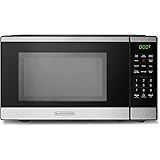
BLACK+DECKER Countertop Microwave Oven 0.9 Cu Ft, 6 Auto Menus, Child Lock, Memory Function, 10 Power Levels, Easy One-Touch Start, Digital Panel, 900W
$199.00 (as of January 14, 2026 19:13 GMT +00:00 - More infoProduct prices and availability are accurate as of the date/time indicated and are subject to change. Any price and availability information displayed on [relevant Amazon Site(s), as applicable] at the time of purchase will apply to the purchase of this product.)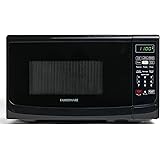
Farberware 0.7 Cu. Ft. Countertop Microwave Oven – 700 Watts Power, Auto Cook Settings, Defrost, Easy Clean and Child Safety Lock - Black
$69.99 (as of January 14, 2026 19:13 GMT +00:00 - More infoProduct prices and availability are accurate as of the date/time indicated and are subject to change. Any price and availability information displayed on [relevant Amazon Site(s), as applicable] at the time of purchase will apply to the purchase of this product.)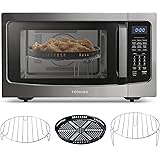
Toshiba Air Fryer Combo 4-in-1 Countertop Microwave Oven, Smart Sensor, Convection, Mute Function, Position Memory 13.6" Turntable, 1.5 Cu Ft, 1000W, Black, ML-EC42P(BS)
$229.99 (as of January 14, 2026 19:13 GMT +00:00 - More infoProduct prices and availability are accurate as of the date/time indicated and are subject to change. Any price and availability information displayed on [relevant Amazon Site(s), as applicable] at the time of purchase will apply to the purchase of this product.)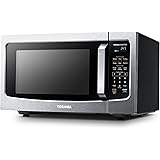
TOSHIBA ML-EM45PIT(SS) Countertop Microwave Oven with Inverter Technology, Kitchen Essentials, Smart Sensor, Auto Defrost, 1.6 Cu.ft, 13.6" Removable Turntable, 33lb.&1250W, Stainless Steel
$179.91 (as of January 14, 2026 19:13 GMT +00:00 - More infoProduct prices and availability are accurate as of the date/time indicated and are subject to change. Any price and availability information displayed on [relevant Amazon Site(s), as applicable] at the time of purchase will apply to the purchase of this product.)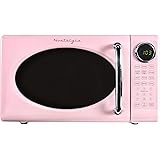
Nostalgia Retro Microwave Oven - 0.7 Cu Ft, 700-Watt Countertop Size with Glass Turntable, Child Safety Lock, 8 Auto-Cook Programs, Digital Clock - Pink
$89.99 (as of January 14, 2026 19:13 GMT +00:00 - More infoProduct prices and availability are accurate as of the date/time indicated and are subject to change. Any price and availability information displayed on [relevant Amazon Site(s), as applicable] at the time of purchase will apply to the purchase of this product.)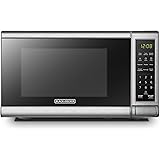
BLACK+DECKER EM720CB7 Digital Microwave Oven with Turntable Push-Button Door, Child Safety Lock, 700W, Stainless Steel, 0.7 Cu.ft
$79.99 (as of January 14, 2026 19:13 GMT +00:00 - More infoProduct prices and availability are accurate as of the date/time indicated and are subject to change. Any price and availability information displayed on [relevant Amazon Site(s), as applicable] at the time of purchase will apply to the purchase of this product.)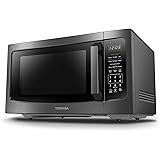
TOSHIBA ML-EM45P(BS) Countertop Microwave Oven with Smart Sensor and 13.6" Removable Position Memory Turntable, Sound On/Off Function, 1200W, 1.6 Cu.ft, Black Stainless Steel
$172.99 (as of January 14, 2026 19:13 GMT +00:00 - More infoProduct prices and availability are accurate as of the date/time indicated and are subject to change. Any price and availability information displayed on [relevant Amazon Site(s), as applicable] at the time of purchase will apply to the purchase of this product.)