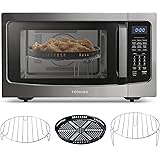
The word “microwave” is a synonym for electromagnetic radiation, which comes in waves or particles with different wavelengths and frequencies, from radio waves and visible light to X-rays. The boundaries between far infrared, terahertz radiation, microwaves, and radio and X-rays are fairly arbitrary; what’s important is that each type of radiation can do different things.
Microwave energy is reflected by metal, passes through glass and paper (and most plastics), and is absorbed by food—which is what makes it useful for cooking. Like most types of electromagnetic radiation, microwaves can be used for communications and radar.
Percy Spencer, an engineer for the Raytheon Corporation, is generally credited with inventing the modern microwave oven after World War II using technology developed for radar. His experiment involved pointing a magnetron tube at such objects as a bag of popcorn and an egg. Both the popcorn and the egg exploded, which he concluded was the result of microwaves being absorbed by these materials.
Unlike lower-frequency radio waves, which can reflect off the ionosphere or be absorbed by buildings and trees (groundwaves), microwaves travel solely through line-of-sight paths. This is why mobile phones need so many transmitter towers and why radar works by sending out bursts of microwaves, detecting the echoes they hit, and using the time it takes for those echoes to come back to determine their distance from the radar receiver.
Despite the proliferation of microwaves, they’re still relatively new, having been introduced for consumer use in 1946. Since then, they’ve become the workhorses of our kitchens, doing everything from reheating leftovers to defrosting frozen foods to making popcorn and baking.
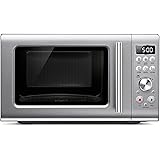
Breville BMO650SIL Compact Wave Soft Close Countertop Microwave Oven, Silver
$249.95 (as of January 14, 2026 19:13 GMT +00:00 - More infoProduct prices and availability are accurate as of the date/time indicated and are subject to change. Any price and availability information displayed on [relevant Amazon Site(s), as applicable] at the time of purchase will apply to the purchase of this product.)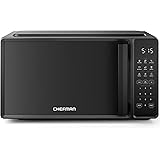
Chefman Countertop Microwave Oven 0.7 Cu. Ft., 700 Watts with 10 Power Levels, 6 Cooking Presets with One-Touch Express Cook, Eco Mode, Child Safety Lock, & Mute Button - Black
$68.96 (as of January 14, 2026 19:13 GMT +00:00 - More infoProduct prices and availability are accurate as of the date/time indicated and are subject to change. Any price and availability information displayed on [relevant Amazon Site(s), as applicable] at the time of purchase will apply to the purchase of this product.)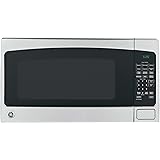
GE Countertop Microwave Oven,1, 200-watt Capacity, 2.0 Cubic Ft., 8 Auto Setting Cooking Settings, Child-Lock Technology, Kitchen Essentials for the Countertop, Dorm Room or Apartment, Stainless Steel
$259.99 (as of January 14, 2026 19:13 GMT +00:00 - More infoProduct prices and availability are accurate as of the date/time indicated and are subject to change. Any price and availability information displayed on [relevant Amazon Site(s), as applicable] at the time of purchase will apply to the purchase of this product.)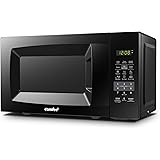
COMFEE' EM720CPL-PMB Countertop Microwave Oven with Sound On/Off, ECO Mode and Easy One-Touch Buttons, 0.7cu.ft, 700W, Black
$68.99 (as of January 14, 2026 19:13 GMT +00:00 - More infoProduct prices and availability are accurate as of the date/time indicated and are subject to change. Any price and availability information displayed on [relevant Amazon Site(s), as applicable] at the time of purchase will apply to the purchase of this product.)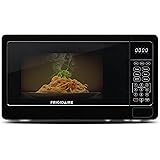
FRIGIDAIRE EMW733BLACKAMZ 0.7 Cu. Ft. Microwave, Black
$69.00 (as of January 14, 2026 19:13 GMT +00:00 - More infoProduct prices and availability are accurate as of the date/time indicated and are subject to change. Any price and availability information displayed on [relevant Amazon Site(s), as applicable] at the time of purchase will apply to the purchase of this product.)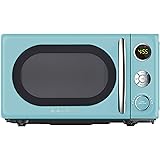
Galanz GLCMKA07BER-07 Retro Microwave Oven, LED Lighting, Pull Handle Design, Child Lock, Bebop Blue, 0.7 cu ft
$85.00 (as of January 14, 2026 19:13 GMT +00:00 - More infoProduct prices and availability are accurate as of the date/time indicated and are subject to change. Any price and availability information displayed on [relevant Amazon Site(s), as applicable] at the time of purchase will apply to the purchase of this product.)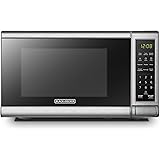
BLACK+DECKER EM720CB7 Digital Microwave Oven with Turntable Push-Button Door, Child Safety Lock, 700W, Stainless Steel, 0.7 Cu.ft
$79.99 (as of January 14, 2026 19:13 GMT +00:00 - More infoProduct prices and availability are accurate as of the date/time indicated and are subject to change. Any price and availability information displayed on [relevant Amazon Site(s), as applicable] at the time of purchase will apply to the purchase of this product.)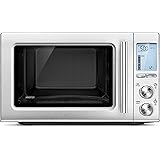
Breville BMO850BSS Smooth Wave Countertop Microwave Oven, Brushed Stainless Steel
$399.95 (as of January 14, 2026 19:13 GMT +00:00 - More infoProduct prices and availability are accurate as of the date/time indicated and are subject to change. Any price and availability information displayed on [relevant Amazon Site(s), as applicable] at the time of purchase will apply to the purchase of this product.)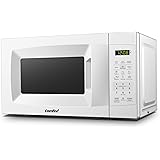
COMFEE' EM720CPL-PM Countertop Microwave Oven with Sound On/Off, ECO Mode and Easy One-Touch Buttons, 0.7 Cu Ft/700W, Pearl White
$69.99 (as of January 14, 2026 19:13 GMT +00:00 - More infoProduct prices and availability are accurate as of the date/time indicated and are subject to change. Any price and availability information displayed on [relevant Amazon Site(s), as applicable] at the time of purchase will apply to the purchase of this product.)