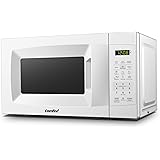
When you’re tired on a lazy night and want to heat up something to eat quickly, you may be tempted to grab one of the microwaves in your kitchen. You just need to pop a frozen dinner in and, a minute or two later, your food is hot. But how do microwaves do this?
Microwaves are electromagnetic waves with a frequency between 300 gigahertz and 100 megahertz. They’re produced by the magnetron in a microwave oven and travel down an antenna into the cooking chamber. As they bounce around, they stimulate water molecules in the food, which vibrate to generate heat energy.
The more energy the water molecules get, the faster they start to vibrate. This vibration causes friction, which in turn creates more heat energy. It’s the same concept that causes your microwave to cook your pizza or boil your cup of coffee.
Interestingly, the same process also makes your phone’s speakers work. By altering the frequency of the microwaves, a cellphone converts the acoustics of your voice into encoded microwave signals that travel over the air to a cell tower where they are converted back to sounds.
Some people worry that microwaves are harmful. However, the FDA states that microwaves are safe when used as directed. It’s important to note, though, that prolonged exposure to microwave radiation can cause cataracts in the eye, due to dielectric heating induced by the absorption of microwaves by the crystalline lens and cornea.
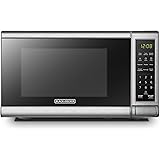
BLACK+DECKER EM720CB7 Digital Microwave Oven with Turntable Push-Button Door, Child Safety Lock, 700W, Stainless Steel, 0.7 Cu.ft
$79.99 (as of January 14, 2026 19:13 GMT +00:00 - More infoProduct prices and availability are accurate as of the date/time indicated and are subject to change. Any price and availability information displayed on [relevant Amazon Site(s), as applicable] at the time of purchase will apply to the purchase of this product.)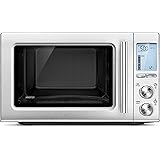
Breville BMO850BSS Smooth Wave Countertop Microwave Oven, Brushed Stainless Steel
$399.95 (as of January 14, 2026 19:13 GMT +00:00 - More infoProduct prices and availability are accurate as of the date/time indicated and are subject to change. Any price and availability information displayed on [relevant Amazon Site(s), as applicable] at the time of purchase will apply to the purchase of this product.)
BLACK+DECKER Digital Microwave Oven with Turntable Push-Button Door, Child Safety Lock, Stainless Steel, 0.9 Cu Ft
$89.99 (as of January 14, 2026 19:13 GMT +00:00 - More infoProduct prices and availability are accurate as of the date/time indicated and are subject to change. Any price and availability information displayed on [relevant Amazon Site(s), as applicable] at the time of purchase will apply to the purchase of this product.)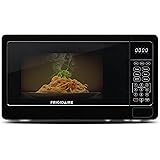
FRIGIDAIRE EMW733BLACKAMZ 0.7 Cu. Ft. Microwave, Black
$69.00 (as of January 14, 2026 19:13 GMT +00:00 - More infoProduct prices and availability are accurate as of the date/time indicated and are subject to change. Any price and availability information displayed on [relevant Amazon Site(s), as applicable] at the time of purchase will apply to the purchase of this product.)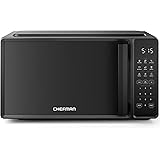
Chefman Countertop Microwave Oven 0.7 Cu. Ft., 700 Watts with 10 Power Levels, 6 Cooking Presets with One-Touch Express Cook, Eco Mode, Child Safety Lock, & Mute Button - Black
$68.96 (as of January 14, 2026 19:13 GMT +00:00 - More infoProduct prices and availability are accurate as of the date/time indicated and are subject to change. Any price and availability information displayed on [relevant Amazon Site(s), as applicable] at the time of purchase will apply to the purchase of this product.)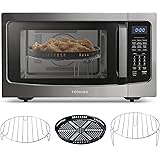
Toshiba Air Fryer Combo 4-in-1 Countertop Microwave Oven, Smart Sensor, Convection, Mute Function, Position Memory 13.6" Turntable, 1.5 Cu Ft, 1000W, Black, ML-EC42P(BS)
$229.99 (as of January 14, 2026 19:13 GMT +00:00 - More infoProduct prices and availability are accurate as of the date/time indicated and are subject to change. Any price and availability information displayed on [relevant Amazon Site(s), as applicable] at the time of purchase will apply to the purchase of this product.)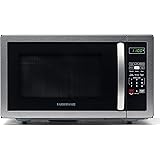
Farberware 1.1 Cu. Ft. Countertop Microwave Oven – 1000 Watts Power, Auto Cook Settings, Defrost, Easy Clean and Child Safety Lock - Stainless
$129.99 (as of January 14, 2026 19:13 GMT +00:00 - More infoProduct prices and availability are accurate as of the date/time indicated and are subject to change. Any price and availability information displayed on [relevant Amazon Site(s), as applicable] at the time of purchase will apply to the purchase of this product.)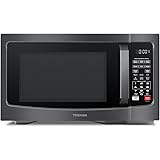
TOSHIBA EM131A5C-BS Countertop Microwave Ovens 1.2 Cu Ft, 12.4" Removable Turntable Smart Humidity Sensor 12 Auto Menus Mute Function ECO Mode Easy Clean Interior Black Color 1000W
$133.98 (as of January 14, 2026 19:13 GMT +00:00 - More infoProduct prices and availability are accurate as of the date/time indicated and are subject to change. Any price and availability information displayed on [relevant Amazon Site(s), as applicable] at the time of purchase will apply to the purchase of this product.)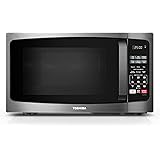
TOSHIBA ML-EM09PA(BS) Small Microwave Oven with 6 Auto Menus, Mute Function & Child Lock, LED Lighting, Perfect for Apartment, 0.9 Cu Ft, 10.6 Inch Removable Turntable, 900W, Black Stainless Steel
$103.92 (as of January 14, 2026 19:13 GMT +00:00 - More infoProduct prices and availability are accurate as of the date/time indicated and are subject to change. Any price and availability information displayed on [relevant Amazon Site(s), as applicable] at the time of purchase will apply to the purchase of this product.)