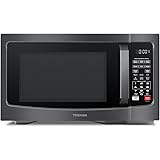
Microwave is an appliance that cooks and heats food using electromagnetic waves. It is generally credited to US engineer Percy Spencer after World War II, though its development had its roots in radar technology developed during the war. The microwave oven uses a cavity magnetron to generate microwaves that are transported through a waveguide into the cooking cavity. The microwaves penetrate the food and create friction between the molecules in the food that causes it to heat up, with water in particular absorbing the most energy. Different foods and liquids absorb microwaves at varying rates, which is why it’s important to use the proper containers for your food when using a microwave.
The microwave oven comes with a turntable that allows you to rotate the food to ensure it cooks evenly and quickly. You’ll also find a cooling fan that runs to prevent overheating and keep the cooking cavity cool. The controls allow you to set the duration of the cooking and select different modes like defrosting, quick heating, baking, etc.
Microwave radiation is used in modern communication systems for point-to-point data transmission, microwave radio relay networks and wireless broadband Internet access; as an industrial process for curing plastics and other materials, and to generate plasma for semiconductor processing techniques (reactive ion etching, plasma-enhanced chemical vapor deposition). It’s also used for medical diathermy and cancer treatment, remote sensing and collision avoidance systems for robots and garage door openers, and in radio astronomy to study the radiation emitted by planets, stars and nebulas with large dish antennas.
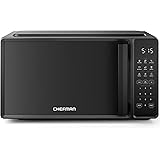
Chefman Countertop Microwave Oven 0.7 Cu. Ft., 700 Watts with 10 Power Levels, 6 Cooking Presets with One-Touch Express Cook, Eco Mode, Child Safety Lock, & Mute Button - Black
$68.96 (as of January 14, 2026 19:13 GMT +00:00 - More infoProduct prices and availability are accurate as of the date/time indicated and are subject to change. Any price and availability information displayed on [relevant Amazon Site(s), as applicable] at the time of purchase will apply to the purchase of this product.)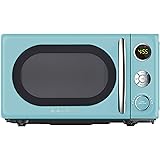
Galanz GLCMKA07BER-07 Retro Microwave Oven, LED Lighting, Pull Handle Design, Child Lock, Bebop Blue, 0.7 cu ft
$85.00 (as of January 14, 2026 19:13 GMT +00:00 - More infoProduct prices and availability are accurate as of the date/time indicated and are subject to change. Any price and availability information displayed on [relevant Amazon Site(s), as applicable] at the time of purchase will apply to the purchase of this product.)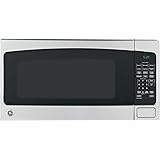
GE Compact Countertop Microwave Oven, 0.7 Cubic Ft., 700-watt Capacity, 6 Auto Cooking Settings, Child-Lock Technology, Dorm Room or Apartment, Stainless Steel
$109.00 (as of January 14, 2026 19:13 GMT +00:00 - More infoProduct prices and availability are accurate as of the date/time indicated and are subject to change. Any price and availability information displayed on [relevant Amazon Site(s), as applicable] at the time of purchase will apply to the purchase of this product.)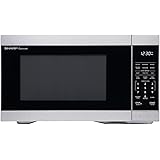
SHARP Countertop Microwave Oven with Removable 12.4" Carousel Turntable, 1000 Watt, 1.1 Cubic Feet, Stainless Steel
$179.97 (as of January 14, 2026 19:13 GMT +00:00 - More infoProduct prices and availability are accurate as of the date/time indicated and are subject to change. Any price and availability information displayed on [relevant Amazon Site(s), as applicable] at the time of purchase will apply to the purchase of this product.)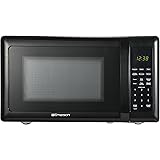
Emerson MW7302B Compact Countertop Microwave Oven with Touch Control, LED Display, 700W, 10 Power Levels, 6 Auto Menus, Glass Turntable and Child Safe Lock, 0.7 Cu., Ft. Black
$69.49 (as of January 14, 2026 19:13 GMT +00:00 - More infoProduct prices and availability are accurate as of the date/time indicated and are subject to change. Any price and availability information displayed on [relevant Amazon Site(s), as applicable] at the time of purchase will apply to the purchase of this product.)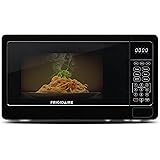
FRIGIDAIRE EMW733BLACKAMZ 0.7 Cu. Ft. Microwave, Black
$69.00 (as of January 14, 2026 19:13 GMT +00:00 - More infoProduct prices and availability are accurate as of the date/time indicated and are subject to change. Any price and availability information displayed on [relevant Amazon Site(s), as applicable] at the time of purchase will apply to the purchase of this product.)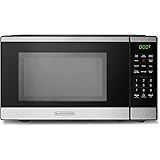
BLACK+DECKER Countertop Microwave Oven 0.9 Cu Ft, 6 Auto Menus, Child Lock, Memory Function, 10 Power Levels, Easy One-Touch Start, Digital Panel, 900W
$199.00 (as of January 14, 2026 19:13 GMT +00:00 - More infoProduct prices and availability are accurate as of the date/time indicated and are subject to change. Any price and availability information displayed on [relevant Amazon Site(s), as applicable] at the time of purchase will apply to the purchase of this product.)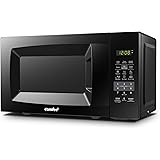
COMFEE' EM720CPL-PMB Countertop Microwave Oven with Sound On/Off, ECO Mode and Easy One-Touch Buttons, 0.7cu.ft, 700W, Black
$68.99 (as of January 14, 2026 19:13 GMT +00:00 - More infoProduct prices and availability are accurate as of the date/time indicated and are subject to change. Any price and availability information displayed on [relevant Amazon Site(s), as applicable] at the time of purchase will apply to the purchase of this product.)
BLACK+DECKER Digital Microwave Oven with Turntable Push-Button Door, Child Safety Lock, Stainless Steel, 0.9 Cu Ft
$89.99 (as of January 14, 2026 19:13 GMT +00:00 - More infoProduct prices and availability are accurate as of the date/time indicated and are subject to change. Any price and availability information displayed on [relevant Amazon Site(s), as applicable] at the time of purchase will apply to the purchase of this product.)