We earn a commission on products purchased through links on this page. Learn more.
Microwaves are one of the most essential appliances in many kitchens, used every day to warm up leftovers and defrost foods. They’re also the method of choice for heating Lean Cuisine entrees, warming Orville Redenbacher bags of popcorn, and melting butter or chocolate. Some people even know how to cook whole meals in microwaves (a trend back in the ’80s).
Inside the microwave are an electrical circuit and a magnetron, which generates electromagnetic waves that heat food. The waves bounce off the magnetron and turntable, then hit food molecules in the cooking cavity and force them to rotate, producing friction that heats the food.
A control panel sits beside the microwave door and includes a set of buttons that allow you to preset cooking times and modes such as defrost or quick heat. You can even choose to have the oven preheat or defrost automatically. It’s important to keep in mind that these presets aren’t the same as setting your own times and power levels, so we wouldn’t recommend choosing a new microwave solely on the basis of preprogrammed modes.
A lot of manufacturers make microwaves, from top-tier brands such as Panasonic and Samsung to midrange choices like Toshiba and LG. And then there’s the bargain-basement microwaves, which are often sourced from the same factories as the more expensive models. We’ve spotted some cheap microwaves that say “Made by Galanz” on the back, but import records show that most of these low-cost models are made by the Chinese company Midea.
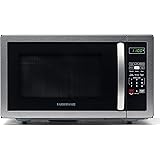
Farberware 1.1 Cu. Ft. Countertop Microwave Oven – 1000 Watts Power, Auto Cook Settings, Defrost, Easy Clean and Child Safety Lock - Stainless
$129.99 (as of January 14, 2026 19:13 GMT +00:00 - More infoProduct prices and availability are accurate as of the date/time indicated and are subject to change. Any price and availability information displayed on [relevant Amazon Site(s), as applicable] at the time of purchase will apply to the purchase of this product.)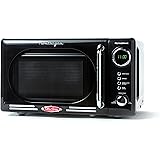
Nostalgia Retro Compact Countertop Microwave Oven, 0.7 Cu. Ft. 700-Watts with LED Digital Display, Child Lock, Easy Clean Interior, Black
$89.99 (as of January 14, 2026 19:13 GMT +00:00 - More infoProduct prices and availability are accurate as of the date/time indicated and are subject to change. Any price and availability information displayed on [relevant Amazon Site(s), as applicable] at the time of purchase will apply to the purchase of this product.)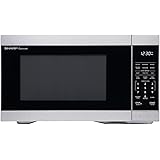
SHARP Countertop Microwave Oven with Removable 12.4" Carousel Turntable, 1000 Watt, 1.1 Cubic Feet, Stainless Steel
$179.97 (as of January 14, 2026 19:13 GMT +00:00 - More infoProduct prices and availability are accurate as of the date/time indicated and are subject to change. Any price and availability information displayed on [relevant Amazon Site(s), as applicable] at the time of purchase will apply to the purchase of this product.)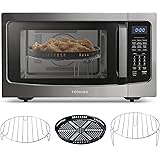
Toshiba Air Fryer Combo 4-in-1 Countertop Microwave Oven, Smart Sensor, Convection, Mute Function, Position Memory 13.6" Turntable, 1.5 Cu Ft, 1000W, Black, ML-EC42P(BS)
$229.99 (as of January 14, 2026 19:13 GMT +00:00 - More infoProduct prices and availability are accurate as of the date/time indicated and are subject to change. Any price and availability information displayed on [relevant Amazon Site(s), as applicable] at the time of purchase will apply to the purchase of this product.)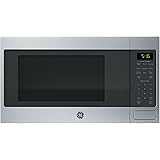
GE Countertop Microwave Oven, 1,150-watt Capacity, 1.6 Cubic Ft., 8 Auto Setting Cooking Settings, Child-Lock Technology, Kitchen Essentials for the Countertop, Dorm Room or Apartment, Stainless Steel
$199.99 (as of January 14, 2026 19:13 GMT +00:00 - More infoProduct prices and availability are accurate as of the date/time indicated and are subject to change. Any price and availability information displayed on [relevant Amazon Site(s), as applicable] at the time of purchase will apply to the purchase of this product.)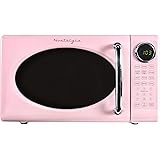
Nostalgia Retro Microwave Oven - 0.7 Cu Ft, 700-Watt Countertop Size with Glass Turntable, Child Safety Lock, 8 Auto-Cook Programs, Digital Clock - Pink
$89.99 (as of January 14, 2026 19:13 GMT +00:00 - More infoProduct prices and availability are accurate as of the date/time indicated and are subject to change. Any price and availability information displayed on [relevant Amazon Site(s), as applicable] at the time of purchase will apply to the purchase of this product.)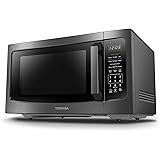
TOSHIBA ML-EM45P(BS) Countertop Microwave Oven with Smart Sensor and 13.6" Removable Position Memory Turntable, Sound On/Off Function, 1200W, 1.6 Cu.ft, Black Stainless Steel
$172.99 (as of January 14, 2026 19:13 GMT +00:00 - More infoProduct prices and availability are accurate as of the date/time indicated and are subject to change. Any price and availability information displayed on [relevant Amazon Site(s), as applicable] at the time of purchase will apply to the purchase of this product.)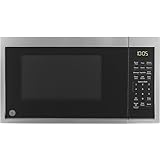
GE Countertop Microwave Oven, Compact 0.9 Cubic Ft., 900-watt Capacity, 7 Auto Cooking Settings, Child-Lock Technology, Kitchen Essentials for the Countertop, Dorm Room or Apartment, Stainless Steel
$135.00 (as of January 14, 2026 19:13 GMT +00:00 - More infoProduct prices and availability are accurate as of the date/time indicated and are subject to change. Any price and availability information displayed on [relevant Amazon Site(s), as applicable] at the time of purchase will apply to the purchase of this product.)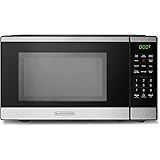
BLACK+DECKER Countertop Microwave Oven 0.9 Cu Ft, 6 Auto Menus, Child Lock, Memory Function, 10 Power Levels, Easy One-Touch Start, Digital Panel, 900W
$199.00 (as of January 14, 2026 19:13 GMT +00:00 - More infoProduct prices and availability are accurate as of the date/time indicated and are subject to change. Any price and availability information displayed on [relevant Amazon Site(s), as applicable] at the time of purchase will apply to the purchase of this product.)