Microwaves are electromagnetic waves that can send energy directly into atoms. This energy is then used to heat food and other objects in a microwave oven.
In general, it is a very efficient form of heating and has several advantages over other types of cooking devices. Some of these include:
Speed: Most microwave ovens are very fast at heating and defrosting your frozen foods, making them ready to eat in minutes.
Durability: Microwaves are durable and can last for ten years or more if you take proper care of them.
Energy Conservation: Modern microwaves are very smart and use optimum power while cooking your food and can save a lot of energy as well.
Safety: Most modern microwaves have sensors that can warn you when it is time to turn off the machine and also when it has reached a certain temperature so that the food does not burn.
Molecular Changes: No, there are very little molecular changes that occur in the food during cooking as microwaves are nonionizing (meaning they don’t affect the molecules).
Cold Spots: The heat from the radio waves is transmitted evenly throughout the food, but some foods don’t allow them to penetrate their layers properly. This can cause “cold spots” when cooking vegetables or poultry.
Arcing: Some metal items, especially those with pointed parts can accumulate electrical charge and create an electric arc when they are placed in the microwave. This can result in damage to the conductive material and even fire.
TOSHIBA EM131A5C-BS Countertop Microwave Ovens 1.2 Cu Ft, 12.4" Removable Turntable Smart Humidity Sensor 12 Auto Menus Mute Function ECO Mode Easy Clean Interior Black Color 1000W
$133.98 (as of January 14, 2026 19:13 GMT +00:00 - More infoProduct prices and availability are accurate as of the date/time indicated and are subject to change. Any price and availability information displayed on [relevant Amazon Site(s), as applicable] at the time of purchase will apply to the purchase of this product.)
SHARP Countertop Microwave Oven with Removable 12.4" Carousel Turntable, 1000 Watt, 1.1 Cubic Feet, Stainless Steel
$179.97 (as of January 14, 2026 19:13 GMT +00:00 - More infoProduct prices and availability are accurate as of the date/time indicated and are subject to change. Any price and availability information displayed on [relevant Amazon Site(s), as applicable] at the time of purchase will apply to the purchase of this product.)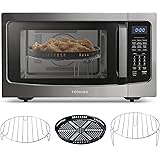
Toshiba Air Fryer Combo 4-in-1 Countertop Microwave Oven, Smart Sensor, Convection, Mute Function, Position Memory 13.6" Turntable, 1.5 Cu Ft, 1000W, Black, ML-EC42P(BS)
$229.99 (as of January 14, 2026 19:13 GMT +00:00 - More infoProduct prices and availability are accurate as of the date/time indicated and are subject to change. Any price and availability information displayed on [relevant Amazon Site(s), as applicable] at the time of purchase will apply to the purchase of this product.)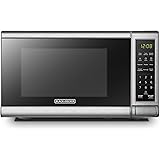
BLACK+DECKER EM720CB7 Digital Microwave Oven with Turntable Push-Button Door, Child Safety Lock, 700W, Stainless Steel, 0.7 Cu.ft
$79.99 (as of January 14, 2026 19:13 GMT +00:00 - More infoProduct prices and availability are accurate as of the date/time indicated and are subject to change. Any price and availability information displayed on [relevant Amazon Site(s), as applicable] at the time of purchase will apply to the purchase of this product.)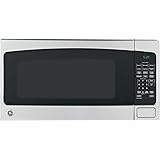
GE Compact Countertop Microwave Oven, 0.7 Cubic Ft., 700-watt Capacity, 6 Auto Cooking Settings, Child-Lock Technology, Dorm Room or Apartment, Stainless Steel
$109.00 (as of January 14, 2026 19:13 GMT +00:00 - More infoProduct prices and availability are accurate as of the date/time indicated and are subject to change. Any price and availability information displayed on [relevant Amazon Site(s), as applicable] at the time of purchase will apply to the purchase of this product.)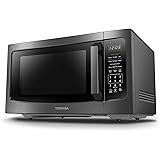
TOSHIBA ML-EM45P(BS) Countertop Microwave Oven with Smart Sensor and 13.6" Removable Position Memory Turntable, Sound On/Off Function, 1200W, 1.6 Cu.ft, Black Stainless Steel
$172.99 (as of January 14, 2026 19:13 GMT +00:00 - More infoProduct prices and availability are accurate as of the date/time indicated and are subject to change. Any price and availability information displayed on [relevant Amazon Site(s), as applicable] at the time of purchase will apply to the purchase of this product.)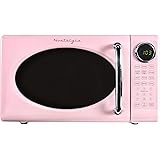
Nostalgia Retro Microwave Oven - 0.7 Cu Ft, 700-Watt Countertop Size with Glass Turntable, Child Safety Lock, 8 Auto-Cook Programs, Digital Clock - Pink
$89.99 (as of January 14, 2026 19:13 GMT +00:00 - More infoProduct prices and availability are accurate as of the date/time indicated and are subject to change. Any price and availability information displayed on [relevant Amazon Site(s), as applicable] at the time of purchase will apply to the purchase of this product.)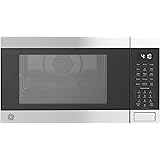
GE GCST10A1WSS 1.0 Cu Ft Convection Microwave Oven, 1050W Countertop Air Fry Microwave with Broil & Crisper Pan, Compact Stainless Steel Design
$199.99 (as of January 14, 2026 19:13 GMT +00:00 - More infoProduct prices and availability are accurate as of the date/time indicated and are subject to change. Any price and availability information displayed on [relevant Amazon Site(s), as applicable] at the time of purchase will apply to the purchase of this product.)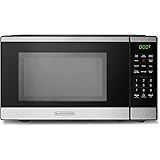
BLACK+DECKER Countertop Microwave Oven 0.9 Cu Ft, 6 Auto Menus, Child Lock, Memory Function, 10 Power Levels, Easy One-Touch Start, Digital Panel, 900W
$199.00 (as of January 14, 2026 19:13 GMT +00:00 - More infoProduct prices and availability are accurate as of the date/time indicated and are subject to change. Any price and availability information displayed on [relevant Amazon Site(s), as applicable] at the time of purchase will apply to the purchase of this product.)