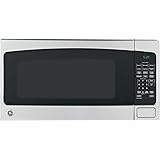
Microwaves are electromagnetic waves that can travel both in empty space and through air, water, and food. They’re used in cell phones and satellites to relay information, including GPS and Internet signals.
How They Work
Electrons briskly swirl around inside a microwave tube, or magnetron, as they heat up, creating an up-and-down pattern of electromagnetic radiation called a microwave. The up-and-down movement generates an electromagnetic field at 2.45 gigahertz.
The microwaves bounce off an antenna that enters the microwave oven and strike the food, converting thermal energy to heat. The radiation isn’t hot enough to burn the food, and it heats up evenly.
Time-Saving
The electromagnetic waves in a microwave oven cook food quickly, without burning it. This is because the microwaves are absorbed by molecules, not large particles like the surface of a hot plate or the bottom of a pot.
Safety
The radiation from microwaves doesn’t cause cancer, but it can damage cells. It can also lead to painful burns when you’re exposed to high levels of it.
It’s a good idea to avoid using a microwave when you are pregnant or breastfeeding, because it can interfere with the development of your baby’s brain and nervous system. It’s also important to make sure your microwave is set on low power when cooking sensitive foods, such as fruits and vegetables.
Some people use microwaves to reheat leftover meals, which can be a waste of time and energy if the microwave hasn’t been designed for that task. It’s best to check the manufacturer’s instructions before reheating food, or just turn the oven off and let the meal cool down.
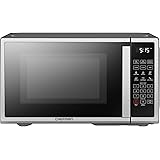
Chefman Countertop Microwave Oven 1.1 Cu. Ft. Digital Stainless Steel Microwave 1000 Watts with 6 Auto Menus, 10 Power Levels, Eco Mode, Memory, Mute Function, Child Safety Lock, Easy Clean
$119.99 (as of January 14, 2026 19:13 GMT +00:00 - More infoProduct prices and availability are accurate as of the date/time indicated and are subject to change. Any price and availability information displayed on [relevant Amazon Site(s), as applicable] at the time of purchase will apply to the purchase of this product.)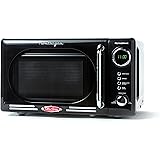
Nostalgia Retro Compact Countertop Microwave Oven, 0.7 Cu. Ft. 700-Watts with LED Digital Display, Child Lock, Easy Clean Interior, Black
$89.99 (as of January 14, 2026 19:13 GMT +00:00 - More infoProduct prices and availability are accurate as of the date/time indicated and are subject to change. Any price and availability information displayed on [relevant Amazon Site(s), as applicable] at the time of purchase will apply to the purchase of this product.)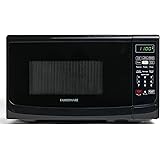
Farberware 0.7 Cu. Ft. Countertop Microwave Oven – 700 Watts Power, Auto Cook Settings, Defrost, Easy Clean and Child Safety Lock - Black
$69.99 (as of January 14, 2026 19:13 GMT +00:00 - More infoProduct prices and availability are accurate as of the date/time indicated and are subject to change. Any price and availability information displayed on [relevant Amazon Site(s), as applicable] at the time of purchase will apply to the purchase of this product.)
Chefman Countertop Microwave Oven 0.9 Cu. Ft. Digital Stainless Steel Microwave 900 Watt with 6 Presets, Eco Mode, Mute Option, Memory Function, Child Safety Lock, Kitchen, Home, Dorm Essentials
$89.99 (as of January 14, 2026 19:13 GMT +00:00 - More infoProduct prices and availability are accurate as of the date/time indicated and are subject to change. Any price and availability information displayed on [relevant Amazon Site(s), as applicable] at the time of purchase will apply to the purchase of this product.)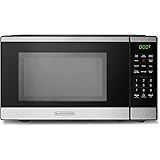
BLACK+DECKER Countertop Microwave Oven 0.9 Cu Ft, 6 Auto Menus, Child Lock, Memory Function, 10 Power Levels, Easy One-Touch Start, Digital Panel, 900W
$199.00 (as of January 14, 2026 19:13 GMT +00:00 - More infoProduct prices and availability are accurate as of the date/time indicated and are subject to change. Any price and availability information displayed on [relevant Amazon Site(s), as applicable] at the time of purchase will apply to the purchase of this product.)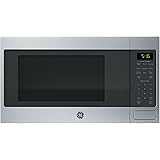
GE Countertop Microwave Oven, 1,150-watt Capacity, 1.6 Cubic Ft., 8 Auto Setting Cooking Settings, Child-Lock Technology, Kitchen Essentials for the Countertop, Dorm Room or Apartment, Stainless Steel
$199.99 (as of January 14, 2026 19:13 GMT +00:00 - More infoProduct prices and availability are accurate as of the date/time indicated and are subject to change. Any price and availability information displayed on [relevant Amazon Site(s), as applicable] at the time of purchase will apply to the purchase of this product.)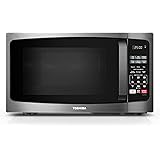
TOSHIBA ML-EM09PA(BS) Small Microwave Oven with 6 Auto Menus, Mute Function & Child Lock, LED Lighting, Perfect for Apartment, 0.9 Cu Ft, 10.6 Inch Removable Turntable, 900W, Black Stainless Steel
$103.92 (as of January 14, 2026 19:13 GMT +00:00 - More infoProduct prices and availability are accurate as of the date/time indicated and are subject to change. Any price and availability information displayed on [relevant Amazon Site(s), as applicable] at the time of purchase will apply to the purchase of this product.)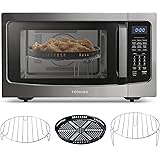
Toshiba Air Fryer Combo 4-in-1 Countertop Microwave Oven, Smart Sensor, Convection, Mute Function, Position Memory 13.6" Turntable, 1.5 Cu Ft, 1000W, Black, ML-EC42P(BS)
$229.99 (as of January 14, 2026 19:13 GMT +00:00 - More infoProduct prices and availability are accurate as of the date/time indicated and are subject to change. Any price and availability information displayed on [relevant Amazon Site(s), as applicable] at the time of purchase will apply to the purchase of this product.)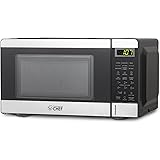
COMMERCIAL CHEF 0.7 Cubic Foot Microwave with 10 Power Levels, Small Microwave with Push Button, 700W Countertop up to 99 Minute Timer and Digital Display, Stainless Steel
$70.76 (as of January 14, 2026 19:13 GMT +00:00 - More infoProduct prices and availability are accurate as of the date/time indicated and are subject to change. Any price and availability information displayed on [relevant Amazon Site(s), as applicable] at the time of purchase will apply to the purchase of this product.)